Portable Fuel Bladders for Offshore Trips: What Buyers Should Confirm Before Ordering
Offshore trips push fuel planning to the limit, and a vague inquiry rarely leads to a practical fuel bladder design.
Before ordering a portable fuel bladder for offshore use, buyers should confirm extra capacity needs, available deck space, hose and valve specifications, handling method, and operational limits so the supplier can prepare an accurate quotation.
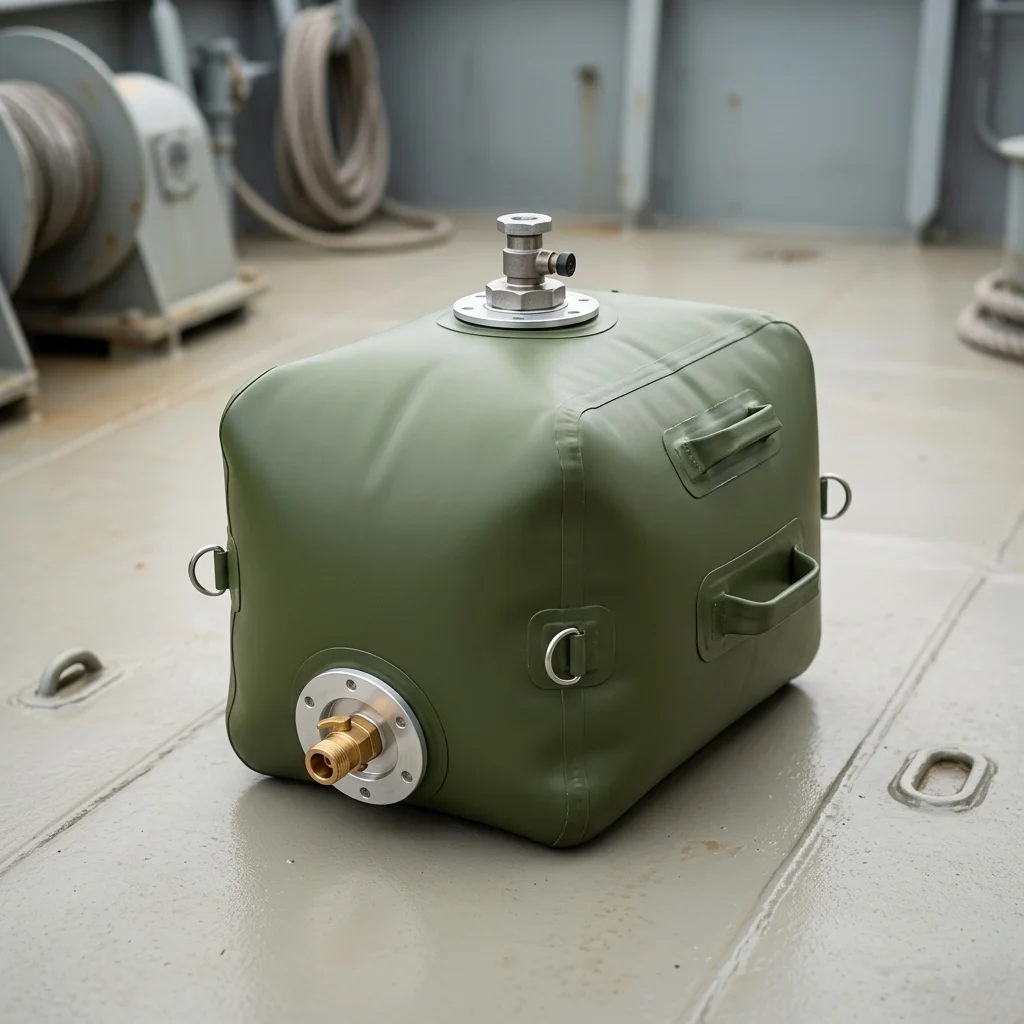
Buyers working on offshore or long-range marine projects often have clear refueling pressure. They need a foldable fuel bladder that fits within limited onboard space, delivers the required extra fuel capacity, and can be folded for storage after use. At Bancy Solutions, I do not recommend quoting only by volume. Instead, I work with the buyer to confirm vessel space, filled bladder shape, valve direction, hose connection method, and handling requirements before production. A short message like “Price for fuel bladder?” does not contain enough information for a custom marine product.
1. How much extra fuel capacity is needed for offshore use?
In marine auxiliary fuel projects, many buyers first ask for capacity, but the final design often depends more on deck space, weight distribution, and fuel-transfer logistics.
Buyers should confirm the total extra fuel volume required for their specific offshore route, the fuel type, and whether the bladder serves as a primary auxiliary tank or an emergency reserve.
Why stating only liters is not enough
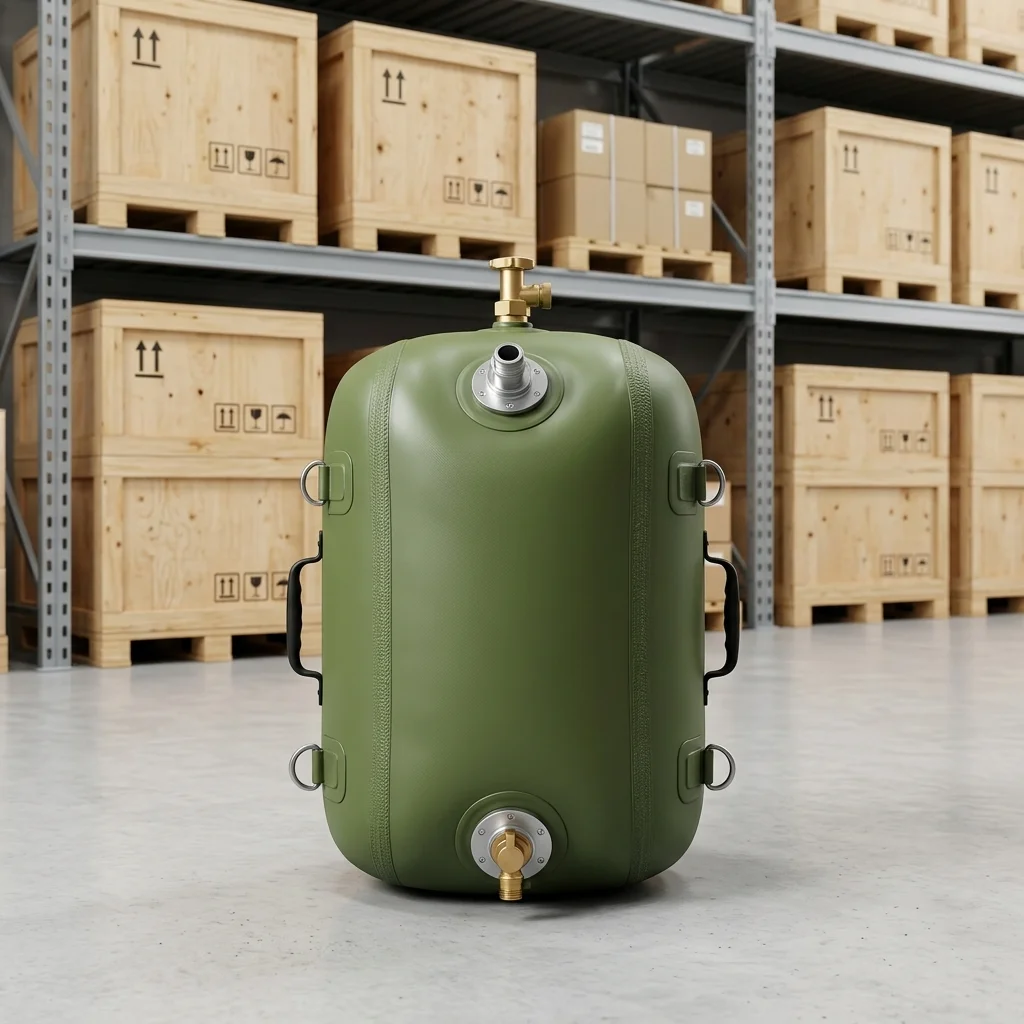
When a buyer says “we need 500L,” this number alone does not tell the supplier enough. A 500L diesel bladder for a yacht cockpit is a very different product from a 500L gasoline bladder for an open fishing boat deck. The fuel type affects material compatibility. The vessel layout affects the maximum practical dimensions. And the route distance affects whether one large bladder or two smaller bladders is the safer choice.
For an accurate quotation, buyers should also clarify whether the fuel will be transferred by pump or gravity, because this influences outlet valve size, hose diameter, and inlet position. In offshore fuel bladder discussions, I have found that providing the route plan and expected consumption helps the supplier recommend a more practical capacity, rather than simply producing the largest bladder that can be manufactured.
What capacity details to confirm before ordering
| Buyer situation | Details to confirm before ordering |
|---|---|
| Extra fuel for a specific long-range route | Total additional capacity in liters or gallons, plus fuel type (diesel, gasoline, or other). |
| Emergency backup fuel supply | Maximum expected storage duration, fuel type, and whether a smaller or larger bladder is needed. |
| Multiple bladders instead of one large unit | Number of units, individual capacity, and whether bladders will be placed in different locations. |
2. What deck or cabin space is available for bladder placement?
A foldable fuel bladder changes shape as it fills, so the available footprint directly determines the maximum safe volume and custom design.
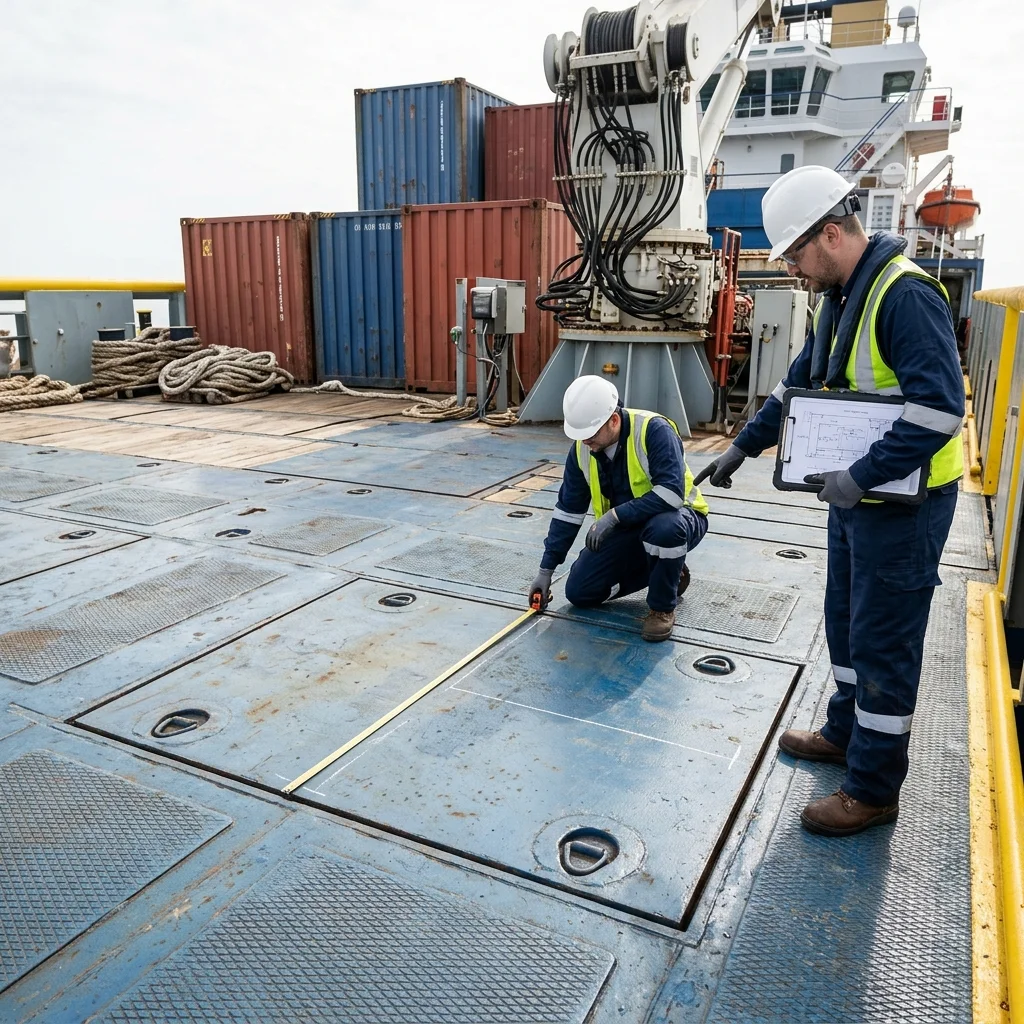
Buyers should measure the flat surface area where the bladder will be placed, confirm height restrictions, and check for obstacles that may affect placement, securing, or valve access.
How available space shapes the final product
For project-based buyers, storage after use and packing volume may be as important as the filled capacity. A portable fuel bladder is not a rigid container — it adapts to the available area when filled, and when empty, it can be rolled or folded for compact storage. This flexibility is one of the main reasons offshore buyers choose foldable designs over rigid marine fuel tanks.
However, the supplier cannot design the correct bladder without knowing the real placement dimensions. A bladder designed for 1000L on an open deck will have different proportions than a 1000L bladder that must fit inside a narrow engine room or under a cabin bench. If the deck is narrow, the supplier may need to design a longer, thinner shape. If height is limited, the filled bladder profile must stay low enough to avoid blocking equipment or walkways.
Space details buyers should prepare
| Specification item | Why buyers should confirm it |
|---|---|
| Available flat deck dimensions (L × W) | Determines the maximum filled footprint and custom shape of the bladder. |
| Height restriction | Ensures the filled bladder does not block access to other equipment. |
| Presence of structural obstacles | Helps the supplier design proper placement of handles, D-rings, and valve positions. |
| Distance from heat sources or sharp edges | Reduces risk of damage during operation. |
| Folded storage space after use | Confirms whether the empty bladder fits in the available cabin or locker area. |
3. What hose length, valve size, and connector type should be confirmed?
In custom fuel bladder discussions, unclear fitting requirements often cause more delay than capacity selection.
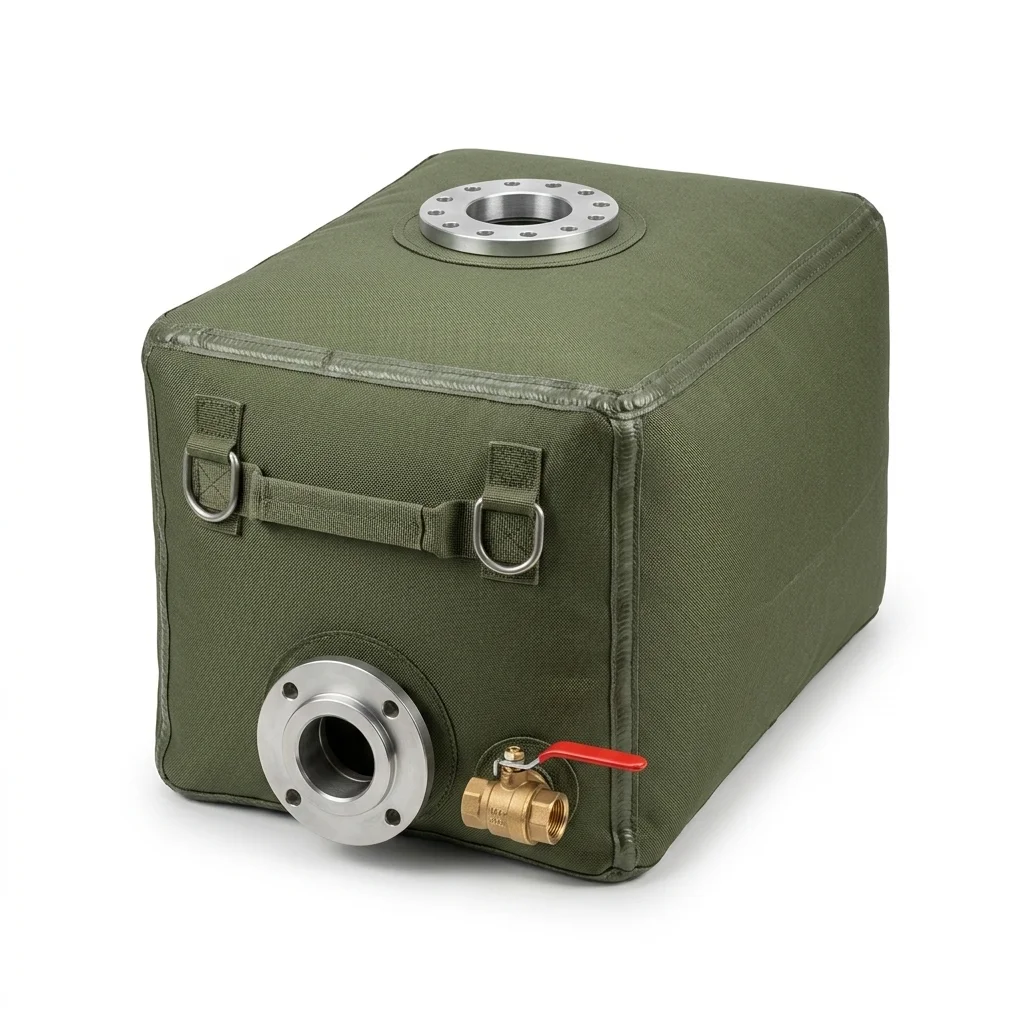
Buyers should specify the inlet and outlet sizes, valve material, connector type, hose diameter, and outlet position to ensure compatibility with their existing fuel-transfer equipment.
Why fittings are part of the system, not an afterthought
A portable fuel bladder is not useful until it connects to the vessel’s fuel system. If the valve size does not match the existing hose, or if the connector type is incompatible with the onboard pump, the buyer receives a product that is difficult to use. I have seen projects delayed not because of capacity or material issues, but because the buyer did not specify whether they needed a camlock, a quick connector, or a standard threaded pipe fitting.
For offshore buyers, the outlet position is also critical. An outlet placed at the wrong end of the bladder can prevent complete drainage or make hose routing impossible in tight deck spaces. Buyers should confirm where the fuel will flow to and plan the hose path before finalizing valve placement.
Fitting details to confirm before production
| Fitting selection | Details buyers should prepare |
|---|---|
| Inlet size and type | Specify diameter (e.g., 2 inch camlock) for filling speed. |
| Outlet valve material | Confirm if a stainless steel ball valve is required. |
| Connector type | Camlock, quick connector, or threaded pipe — must match existing equipment. |
| Hose diameter | Ensures the transfer hose fits the bladder outlet without adapters. |
| Outlet position | Top, side, or end — based on deck layout and hose routing. |
| Number of outlets | Some buyers need separate fill and drain ports. |
4. Why should buyers consider handling, lifting, and empty storage?
Flexible fuel bladders are designed for temporary auxiliary storage, and the handling workflow affects both the product design and daily operation.
Buyers should confirm how they plan to move, position, and store the bladder — including lifting method when empty, securing method when filled, and folded dimensions for storage after fuel transfer.
Handling affects design decisions
A filled portable fuel bladder can weigh hundreds of kilograms, depending on capacity. Reinforced handles and D-rings are typically included for positioning the empty bladder, but they are not designed for lifting when the bladder is full of fuel. Buyers must plan how the bladder will be placed before filling: carried aboard empty, positioned on deck, secured with straps or tie-downs, then filled in place.
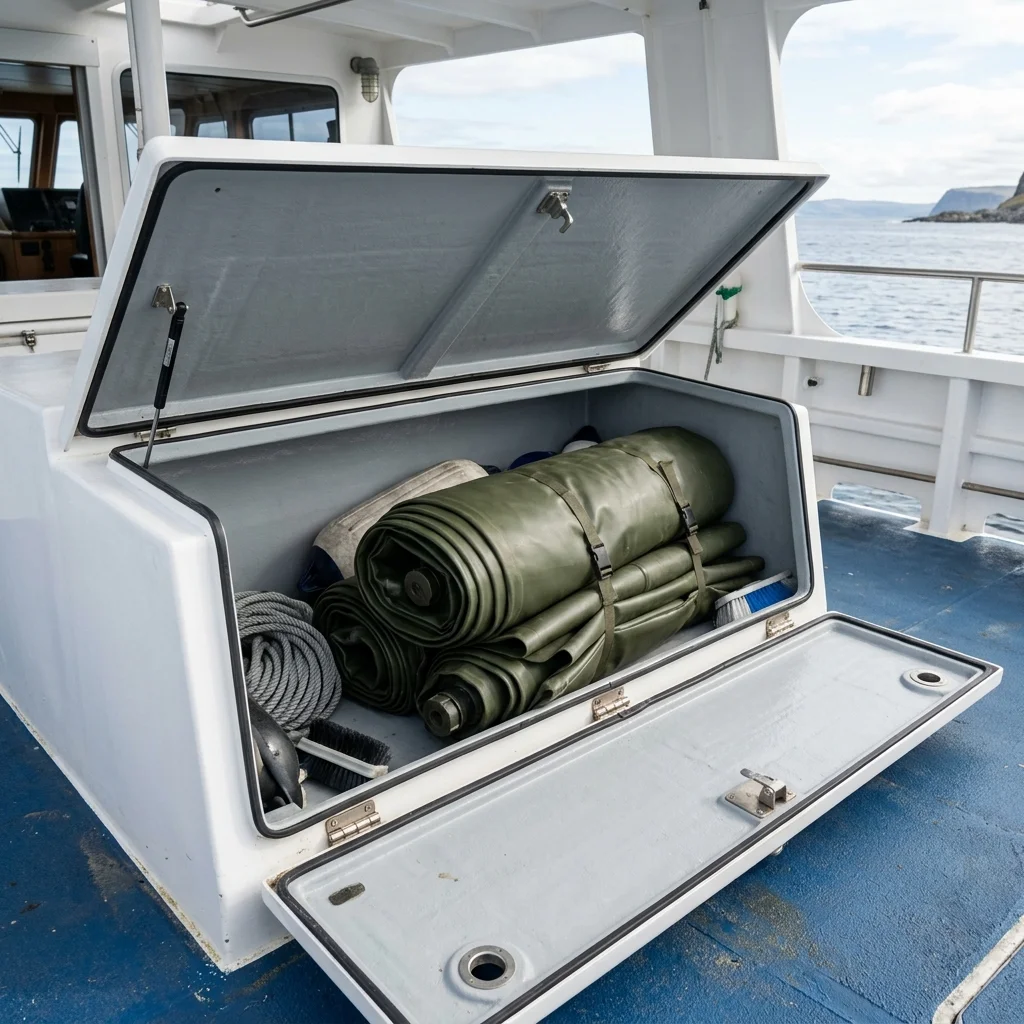
After the fuel is transferred to the main tank, the empty bladder should be drained, cleaned if necessary, and folded for storage. Knowing the available storage space helps the supplier recommend the right folded dimensions and packing method. Some offshore buyers store the empty bladder in a deck locker; others roll it and secure it on deck.
Handling and storage checklist
| Application scenario | Details buyers should prepare |
|---|---|
| Carrying the empty bladder aboard | Confirm weight limit for crew handling and access path dimensions. |
| Securing the filled bladder on deck | Provide tie-down point locations and strap requirements. |
| Storing the bladder after fuel transfer | Confirm available cabin or locker dimensions for the folded bladder. |
| Transporting the empty bladder back to shore | Confirm packed dimensions and any shipping constraints. |
5. What safety and operational limits should be discussed before production?
Every offshore fuel bladder project involves fuel handling, marine conditions, and regional requirements that the buyer should review before ordering.
Buyers should confirm fuel type compatibility, destination country, expected operating conditions, and local fuel handling requirements so the supplier can recommend appropriate material, seam construction, and design details.
Material compatibility and operational expectations
A portable fuel bladder designed for diesel may use different material considerations than one intended for gasoline or fuel oil. Buyers should not assume that one bladder is suitable for all fuel types. Confirming the exact fuel type before production allows the supplier to discuss material compatibility and recommend a construction approach that matches the application.
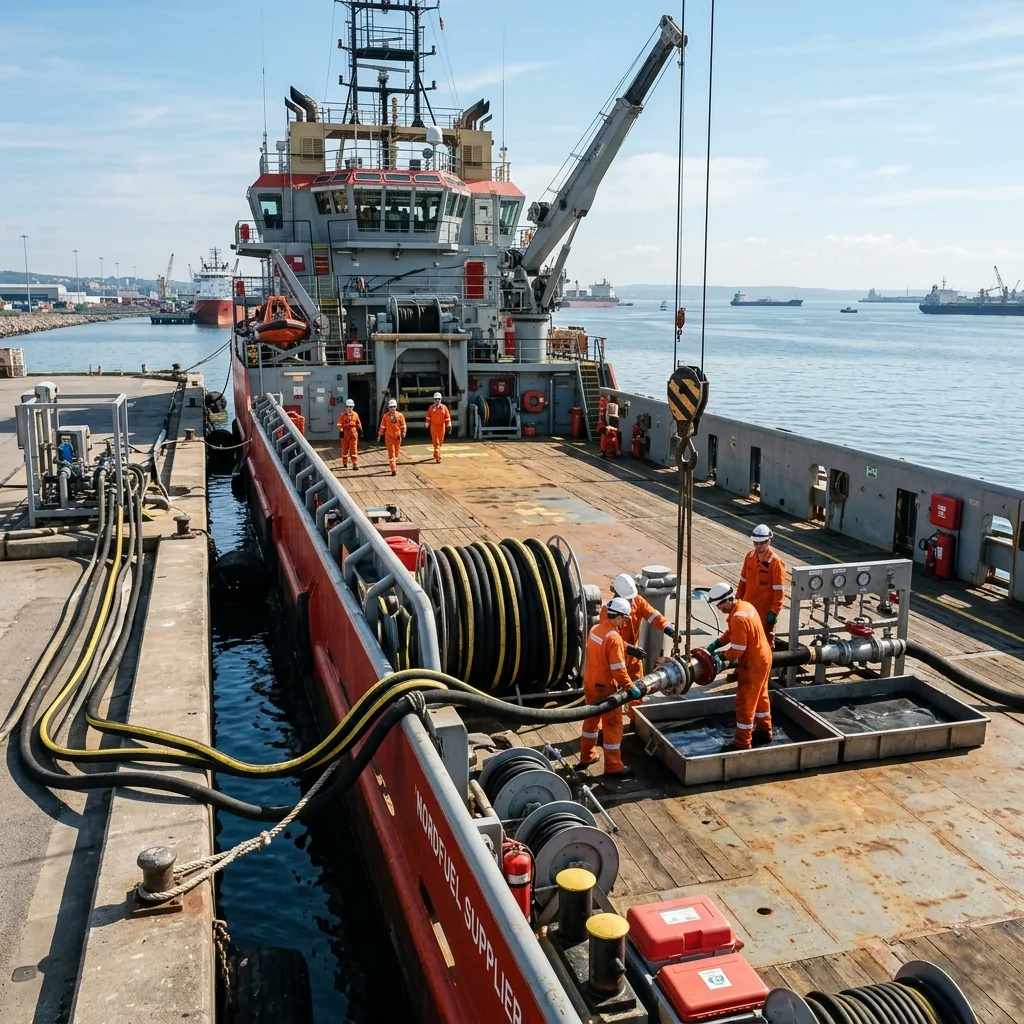
Buyers should also confirm their local marine fuel handling and transportation requirements. A foldable fuel bladder is designed to support temporary or auxiliary fuel storage when properly supported and secured. It is not intended as a permanent replacement for a vessel’s built-in fuel system. Instead of asking for a product that is “suitable for all marine conditions,” buyers should focus on their specific use scenario and discuss practical quality checks with the supplier.
Safety and specification items to confirm
| Specification item | Why buyers should confirm it |
|---|---|
| Fuel type (diesel, gasoline, fuel oil, or other) | Ensures the material compatibility discussion starts correctly. |
| Destination country | Helps verify shipping logistics and regional considerations. |
| Expected operating temperature range | Allows the supplier to discuss material suitability. |
| Vessel type and placement method | Helps design appropriate reinforcement and securing features. |
| Duration and frequency of use | Influences design expectations for the bladder. |
Conclusion
By confirming extra capacity, available deck space, valve and connector specifications, handling method, and operational limits, offshore buyers can request a more accurate and practical custom fuel bladder quotation.